
Do Period Underwear Actually Work? Here's the Truth

Period underwear work for most people with light to moderate flow, and they can hold roughly one to two tampons’ worth of menstrual fluid when sized correctly. Two things limit that performance: fit and flow intensity. A pair that’s even slightly too loose lets the absorbent zone shift, which opens the door to side-seepage regardless of the absorbency rating. On very heavy days or with rapid bleeding, a single pair may not be enough on its own. Read on for the full breakdown of how the layers work, which absorbency level matches your flow, and how to wash them so they last.
Key Takeaways
Period underwear work reliably for most people with light to moderate flow when the absorbency rating matches the flow level and the fit keeps the gusset in place.
| Point | Details |
|---|---|
| Absorbency matching is critical | Choose a pair rated for your heaviest day; light pairs on heavy days will leak. |
| Fit determines leak risk | A too-loose pair shifts the absorbent zone; test at home on a light day before relying on them out. |
| Typical capacity | Most pairs hold roughly one to two tampons’ worth of flow; heavy-rated styles hold more. |
| Care protects performance | Cold rinse immediately after use, no fabric softener, and air dry to preserve absorbency and the leak barrier. |
| Sweeteebeauty options | Sweeteebeauty offers light through postpartum absorbency levels, teen fits, and bundle options to match your flow and lifestyle. |
Table of Contents
- How do period underwear work? The multilayer design explained
- Do period underwear actually work for different flow levels?
- Who benefits most from period underwear?
- How to use period underwear correctly
- What to look for when buying period underwear
- How to wash period underwear so they keep working
- Honest pros and cons of period underwear
- What clinicians and consumer research say
- What I actually think about period underwear
- Sweeteebeauty period underwear: styles built for the checklist
- Sources
How do period underwear work? The multilayer design explained
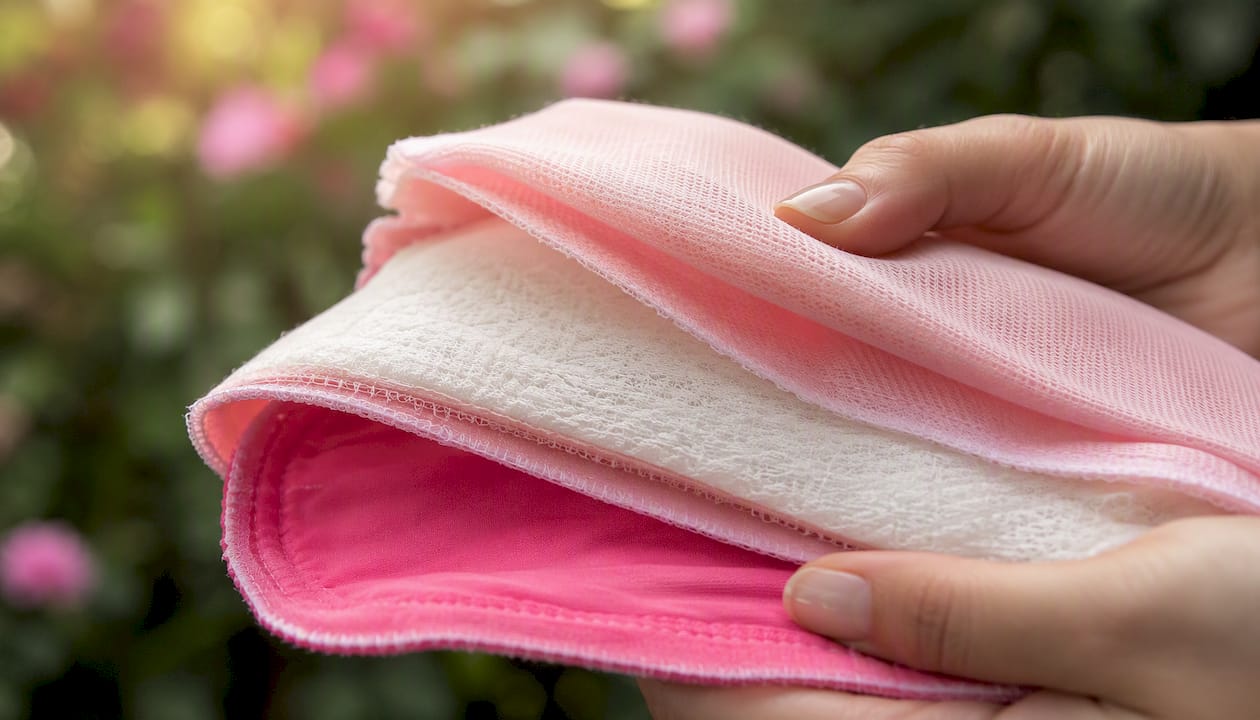
The technology behind period underwear is a three-layer construction stacked inside what looks like ordinary underwear. Each layer has a specific job, and they work together to move fluid away from your skin, hold it, and stop it from reaching your clothes.
Here’s how the stack works from the inside out:
- Moisture-wicking inner layer: Usually a soft microfiber polyester or cotton-blend fabric that pulls fluid away from your skin quickly. This is what keeps you feeling dry rather than wet and uncomfortable.
- Absorbent core: A thicker middle layer, often made of multiple microfiber or cotton layers, that traps and holds the fluid. This is where capacity lives.
- Leak-resistant outer layer: A thin laminate barrier, typically polyurethane laminate (PUL), that stops absorbed fluid from bleeding through to your clothing.
The gusset, the reinforced panel running front to back, is where all three layers concentrate. Its length and width determine how much coverage you actually get. A narrow gusset on a bikini-cut pair covers less than the wider gusset on a high-waist or boyshort style.
On the topic of odor: silver-based or other odor-control additives show up in some products’ marketing, but product testers note that a quality moisture-wicking layer and proper washing routine do the same job without the extras.
Pro Tip: Before wearing a new pair out in public, put them on at home during a light-flow day and move through your normal positions: sitting, standing, walking, bending. If the gusset shifts to one side, the pair is too loose and you need a size down.
Do period underwear actually work for different flow levels?
The honest answer is: it depends on which pair you pick and how heavy your flow is. Most pairs are rated by absorbency level, and matching that rating to your actual flow is the single most important purchase decision you’ll make.
Here’s a practical guide to absorbency levels and realistic wear times:
| Absorbency Level | Approximate Tampon Equivalent | Suggested Max Wear Time | Best Use Case |
|---|---|---|---|
| Light | Up to 1 tampon equivalent | Around half a day wear time | Spotting, end of cycle, daily backup |
| Moderate | Around 1–2 tampons equivalent | Several hours wear time | Average flow days, overnight light |
| Heavy | Around 2–3 tampons equivalent | Few hours wear time | Heavier days, overnight |
| Overnight / Postpartum | High absorbency level | Several hours wear time | Overnight, postpartum light days |
A few real-world scenarios worth knowing:
Overnight use is one of the strongest use cases. A heavy or overnight-rated pair worn to bed handles most people’s overnight flow without needing a pad underneath.
Exercise works well with moderate-rated pairs for most flow levels. The fit stays put better than a pad during movement, and there’s no string to deal with.
Postpartum light days are a natural fit for high-absorbency styles. For heavier postpartum bleeding, pair them with an internal product or a pad.
Very heavy or flooding flow is where period underwear can fall short on their own. The absorbent core can only hold so much before saturation, and rapid flow can overwhelm even a heavy-rated pair. On those days, wearing period underwear as a backup to a menstrual cup or tampon is the smarter call.
Who benefits most from period underwear?
Period underwear suits people with light to moderate flow best, but they’re genuinely useful across a wider range of situations than most people expect. The Alliance for Period Supplies notes that period underwear can replace or supplement disposable products, and many suppliers suggest owning 3–7 pairs to comfortably cover a full cycle depending on washing frequency and flow.
Common use cases where they shine:
- Daily backup: Wear under regular underwear on lighter days or at the tail end of your cycle for peace of mind without a pad.
- Overnight protection: A heavy or overnight-rated pair replaces the need for a bulky overnight pad for most people.
- Travel: No running out of tampons mid-trip. Pack a few pairs and a small wet bag and you’re covered.
- Teens starting their period: Comfortable, discreet, and forgiving of unpredictable cycles. No insertion required.
- Postpartum light days: Soft fabrics are gentle on sensitive skin during recovery.
- Mild bladder leakage: Light-absorbency styles handle minor stress incontinence well.
One clear limit: if you experience very heavy bleeding or flooding, period underwear alone may not be sufficient. Look specifically for heavy-flow or postpartum-rated styles, and plan to pair them with internal protection on your heaviest days.
How to use period underwear correctly
The most important habit is testing a new pair at home before relying on it in public. That single step prevents most first-time disappointments.
- Try at home first. Wear a new pair on a light day or at the start of your period while you’re home. Check for fit, coverage, and any shifting of the gusset after 30–60 minutes of normal movement.
- Check for side-seepage. If you notice dampness at the sides of the gusset rather than the center, the pair is too loose. Size down or try a different cut with a wider gusset.
- Monitor saturation. You’ll feel a slight heaviness or dampness when the pair is approaching capacity. That’s your signal to change. Don’t wait until you feel wet through.
- Change by flow, not by clock. On a light day, a moderate-rated pair can go 8–10 hours. On a heavy day, plan to change every 4–6 hours or pair with a cup or tampon.
- Combine with other products on heavy days. Wearing period underwear as a backup to a menstrual cup or tampon on your heaviest days gives you the best of both: internal capacity plus leak insurance.
OB/GYN guidance is consistent on one point: a too-loose fit is the primary failure mode. The absorbent zone shifts away from where it needs to be, and leaks follow. Fit first, everything else second.
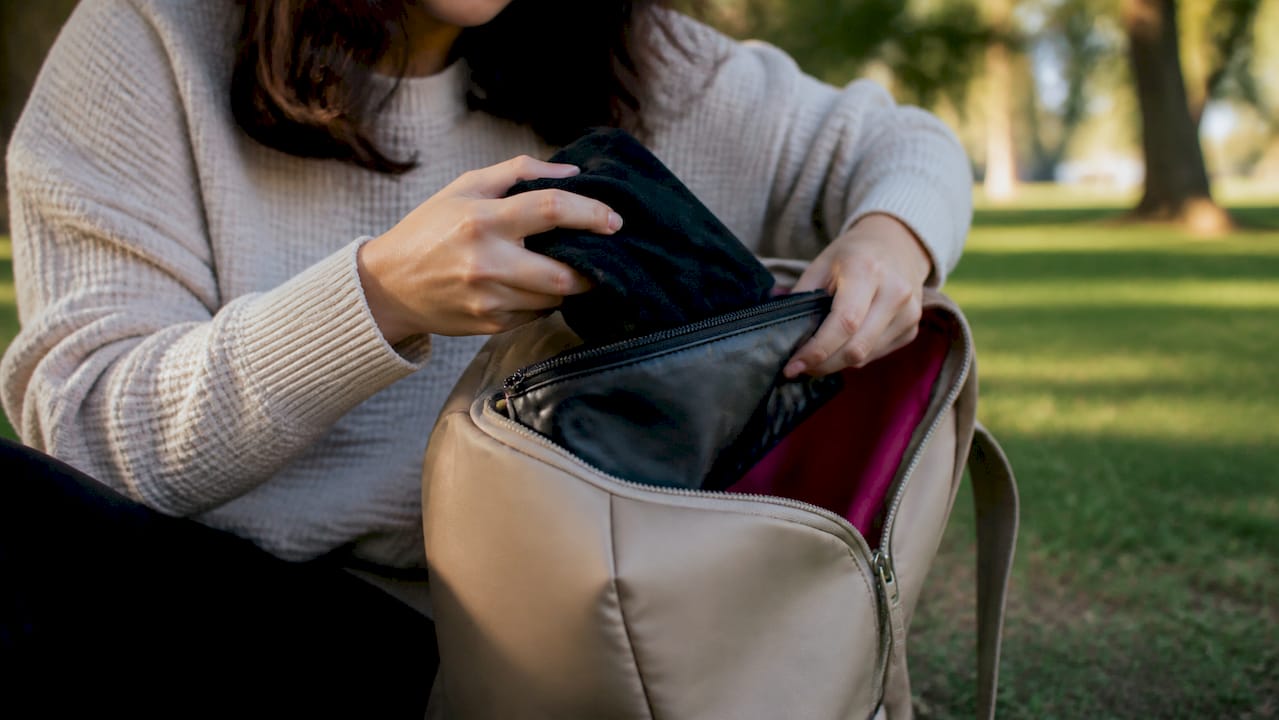
Pro Tip: Pack used pairs in a small, zippered wet bag when you’re out. Wet bags are waterproof, discreet, and keep used underwear separate from clean items in your bag. Rinse the pair as soon as you get home.
What to look for when buying period underwear
Prioritize fit and the manufacturer’s absorbency rating before anything else. Style matters, but a beautiful pair that leaks is useless.
Buying checklist:
- Absorbency level: Match it to your heaviest day’s flow, not your average. If you’re unsure, go one level higher.
- Gusset length and coverage: Longer gussets (front to back) offer better coverage. Boyshort and high-waist styles typically have the most coverage.
- Sizing guidance: Check the brand’s size chart against your actual measurements, not your usual underwear size. Period underwear sizing varies significantly between brands.
- Fabric breathability: Look for cotton or moisture-wicking blends in the inner layer. Synthetic-only fabrics can feel less breathable over long wear.
- Heavy or postpartum ratings: If you have a heavy flow or are shopping for postpartum use, confirm the product is explicitly rated for that use case.
- Machine-washable and dryer-safe status: Most period underwear should be air-dried. Confirm before buying if dryer use matters to you.
- Return and warranty policy: Given the upfront cost, a reasonable return window lets you test fit without financial risk.
When a product claims a tampon-equivalent number, ask: is that measured by weight or volume? Is it tested by a third party? Absorbency claims vary by brand and testing method, and lab results don’t always match real-world use. Cross-reference the absorbency rating with user reviews that specifically mention leak reports.
Sweeteebeauty offers styles across light, moderate, heavy, and postpartum absorbency levels, with sizing guidance and explicit gusset coverage details, which maps directly to this checklist.
How to wash period underwear so they keep working
Rinsing in cold water immediately after use and skipping fabric softener are the two habits that matter most for long-term performance. Get those two right and the rest is straightforward.
Step-by-step care routine, based on tested washing guidance:
- Rinse in cold water right after use. Cold water prevents blood proteins from setting into the fabric. Hot water does the opposite and locks stains in permanently.
- Machine wash on a gentle/cold cycle. A delicate or gentle cycle protects the leak-resistant laminate layer from mechanical stress.
- Skip fabric softener and bleach. Fabric softener coats the fibers and blocks the wicking action of the inner layer. Bleach degrades the laminate barrier. Both shorten the life of the underwear significantly.
- Air dry. Hang or lay flat to dry. Dryer heat breaks down the PUL laminate over time, which is the layer that stops leaks. Once that layer degrades, the pair is done.
What to avoid:
- Dryer heat (even low settings accelerate laminate wear)
- Fabric softener or dryer sheets
- Bleach or harsh stain removers
- Soaking for extended periods
For stubborn stains, a cold rinse immediately after removal handles most of them. Sunlight is a natural deodorizer and can help with any residual discoloration on lighter fabrics.
Honest pros and cons of period underwear
Many users report improved comfort and confidence once they find the right fit and absorbency. The trade-offs are real but manageable.
Benefits:
- Comfortable to wear for extended periods, especially compared to pads
- Reusable and lower waste than disposables over time
- Cost-effective over a full year once you’ve built up a rotation of 3–7 pairs
- Convenient for travel, overnight use, and active days
- No insertion required, making them accessible for teens and those with sensitivities
- Consumer Reports participants specifically highlighted confidence, comfort, and convenience as the top benefits
Downsides:
- Upfront cost is higher than a box of pads or tampons
- Require immediate rinsing and a specific wash routine, which adds laundry effort
- Can leak on very heavy days if used alone without internal backup
- Drying time means you need enough pairs to rotate through a cycle
- Fit issues on the first try are common, especially if you skip the at-home test
The realistic picture: Consumer Reports’ research found most participants used period underwear as a backup or supplement rather than their only product, particularly on heavy days. That’s not a failure of the product. It’s just the most practical way to use them.
What clinicians and consumer research say
The clinical and consumer-research consensus is consistent: period underwear can be reliable when sized and used correctly, and they work best as part of a broader menstrual care routine rather than a guaranteed replacement for all other products.
Consumer Reports’ user research found that participants valued the confidence and convenience period underwear provided, particularly for active lifestyles and travel. Cleaning burden and occasional leaks on heavy days were the most common complaints, and most participants treated them as a backup rather than their sole protection.
One safety note worth knowing: an OB/GYN-reviewed analysis found PFAS (per- and polyfluoroalkyl substances) in roughly a third of period underwear tested in some studies. Experts note there is no clear evidence that wearing period underwear causes direct harm from PFAS exposure, but the research is ongoing. If this is a concern, look for brands that explicitly test for and disclose PFAS-free materials.
What I actually think about period underwear
An honest take on whether they’re worth trying
Period underwear gets oversold in one direction and undersold in another. The oversell: that they’ll replace every other menstrual product you own from day one. The undersell: that they’re just glorified thick underwear that will definitely leak.
Neither is accurate. What they actually are is a genuinely useful tool that works well when you match the absorbency to your flow and get the fit right. The people who try them once, get a leak, and write them off usually made one of two mistakes: they bought a light-absorbency pair for a heavy day, or they wore a pair that was too loose. Both are fixable.
My honest recommendation is to start with one or two pairs in a moderate or heavy absorbency, test them at home on a day when leaking wouldn’t be catastrophic, and build from there. Most people who do that end up keeping them in rotation. The overnight use case alone is worth the investment for many people.
The PFAS question is real and worth paying attention to. Choose brands that are transparent about their materials and testing. That transparency is a better signal than any marketing claim about odor control or tampon equivalents.
Sweeteebeauty period underwear: styles built for the checklist
If you’ve worked through the checklist above and you’re ready to try a pair, Sweeteebeauty’s collection is built around exactly those priorities: absorbency matching, gusset coverage, sizing transparency, and fabrics designed for sensitive skin.
The range covers light through postpartum absorbency levels, with styles including seamless bikini cuts, lace hiphuggers, and high-coverage options for overnight and heavy-flow days. Teen-specific fits are available for younger users who need a narrower gusset and a more fitted cut. Every style is machine-washable and designed to air dry.
For a first purchase, the HipHugger Period Underwear Bundle gives you multiple pairs to rotate through a cycle without committing to a single style. If heavy flow is your main concern, the heavy flow collection is the right starting point. Teens can find purpose-fit options in the teen brief and bikini styles. Browse the full Sweeteebeauty period underwear collection to find the absorbency and cut that matches your flow.
Sources
- What Is Period Underwear and Does It Work?
- Period Underwear Review - Consumer Reports
- Do Period Pants Work? The Science of Absorption - Biology Insights
- Best period pants — Which?

