
Incontinence Underwear vs Period Underwear: Which Do You Need?

Period underwear handles menstrual flow and light, occasional bladder leaks well. For moderate-to-heavy urinary leakage, especially sudden gushes, you need incontinence-specific underwear or tabbed briefs. That’s the short answer. Everything below explains why, and gives you a checklist to pick the right product for your body.
Period underwear is the better fit when you need:
- Protection during your menstrual cycle (light through heavy flow)
- Backup coverage for spotting or unpredictable light leaks
- Postpartum spotting management
- A reusable, eco-friendly alternative to pads and tampons
Incontinence underwear, pull-ons, or tabbed briefs are the right call when you have:
- Moderate-to-heavy urinary leaks triggered by urgency or activity
- Nighttime leakage that exceeds what a period product can hold
- Post-surgical care needs or limited mobility requiring caregiver assistance
Board-certified OB-GYN Dr. Stephanie Hack recommends choosing products with multiple absorbency levels matched to your expected flow rather than relying on one pair for every situation. Sweeteebeauty’s reusable period underwear covers menstrual use and light leaks across several absorbency levels, though it is not engineered for the fast, high-volume urine output that dedicated incontinence products handle.
Key Takeaways
Period underwear and incontinence underwear solve different problems with different engineering, and matching the product to the fluid type is the single most important decision.
| Point | Details |
|---|---|
| Match product to fluid type | Period underwear handles menstrual flow; incontinence underwear with SAP cores handles urine leaks reliably. |
| Absorbency level matters | Light leaks need 5–10 ml capacity; moderate urge leaks need SAP-core pull-ons; heavy output needs tabbed briefs or disposables. |
| Rewet is the key difference | Microfiber releases liquid under compression; SAP locks it into gel, making it the right core for urine. |
| See a clinician first | New or worsening urinary leakage warrants medical evaluation before relying on any undergarment. |
| Sweeteebeauty for menstrual use | Sweeteebeauty’s multi-absorbency, irritation-free period underwear covers light through heavy menstrual flow and light leaks. |
Table of Contents
- How are period underwear and incontinence underwear actually built?
- What do light, moderate, and heavy absorbency actually mean?
- Why does urine behave so differently from menstrual blood?
- What styles are available, and how does fit affect performance?
- How do you wash and care for reusable underwear, and what does it cost?
- When does period underwear make more sense?
- When should you choose incontinence underwear, pull-ons, or tabbed briefs?
- Medical safety, odor control, and when to see a clinician
- A short decision checklist: which product is right for you?
- What the evidence actually tells us about choosing between these products
- Sweeteebeauty period underwear: built for periods and light leaks
- Sources
How are period underwear and incontinence underwear actually built?
The difference in performance starts with construction, not marketing.
Period underwear typically uses three to four layers:
- A soft, moisture-wicking inner layer (often microfiber terry) that pulls fluid away from skin
- An absorbent middle layer that holds menstrual fluid
- A thin waterproof outer layer, usually TPU-laminated fabric, that prevents bleed-through
- Flat or lightly reinforced seams at the leg openings to contain flow
The gusset is wider than a standard underwear crotch but stays thin enough to feel like regular underwear. Absorbency is measured in tampon equivalents, and the design prioritizes comfort over 4–8-hour wear cycles.
Incontinence underwear uses a fundamentally different core architecture. Industry engineering analysis explains that urine’s fast, low-viscosity behavior requires superabsorbent polymer (SAP) encapsulated cores and leg guards to prevent rewet. SAP converts liquid into a gel on contact and holds it under compression, which microfiber terry cannot do reliably.
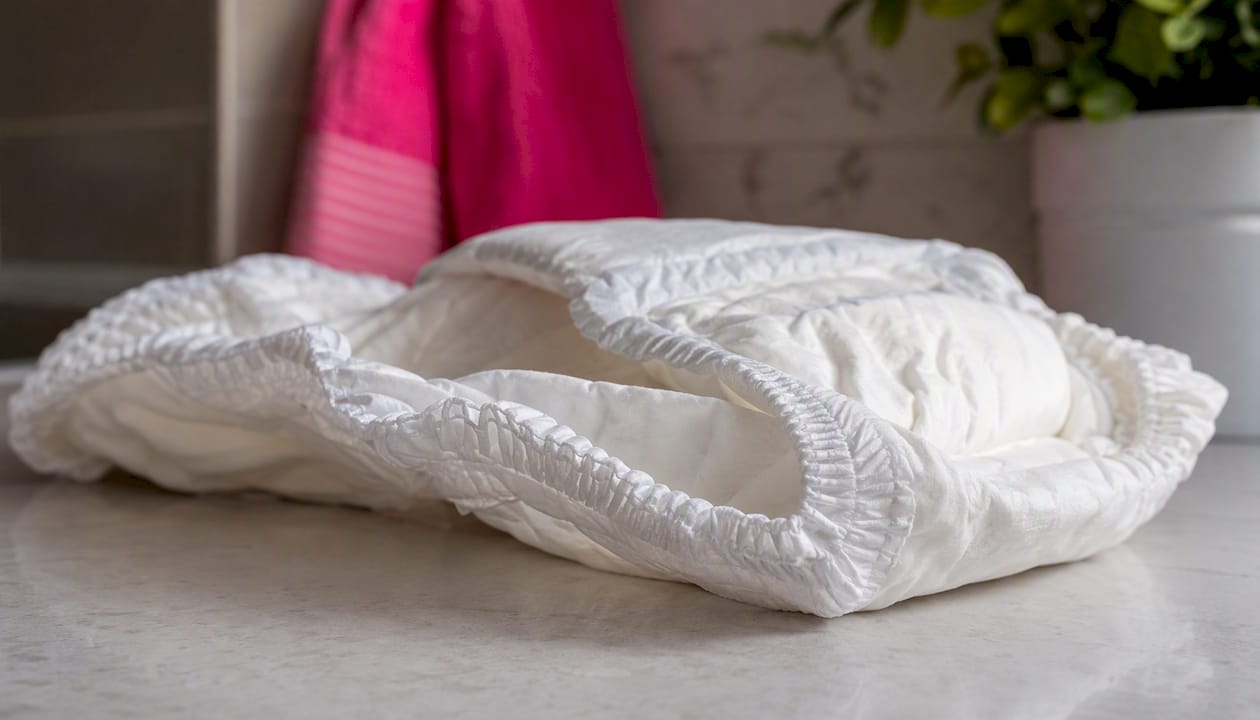
Leg guards (elasticized barriers at the inner thigh) are another incontinence-specific feature. They redirect fast-flowing liquid inward before it can track sideways. Period underwear rarely includes them because menstrual fluid moves slowly enough that flat seams suffice.
The National Association for Continence notes that reusable incontinence underwear offers discretion and reduced waste, but reliable anti-rewet performance depends on whether the core uses washable SAP rather than standard fabric layers.
What do light, moderate, and heavy absorbency actually mean?
Absorbency labels vary by brand, but the industry uses rough milliliter ranges as a practical guide.
Light (roughly 5–10 ml): Covers spotting, the tail end of a period, or a stress leak from a cough or sneeze. Most period underwear starts here.
Moderate (roughly 10–20 ml): A typical period day or a small urge leak. Many period underwear styles sit in this range. Some reusable incontinence pull-ons also target this tier.
Heavy (20 ml and above): A heavy period day, overnight flow, or a larger urge leak. Period underwear brands often list their highest-absorbency styles here. Dedicated incontinence products go much further — some overnight incontinence briefs claim capacities of 946 ml or more, a scale that menstrual products simply are not designed to reach.
Matching absorbency to your situation:
- Spotting or light period day → light-absorbency period underwear
- Average period day → moderate-absorbency period underwear
- Heavy period day or overnight period → heavy-absorbency period underwear
- Stress leak (cough, sneeze, jump) → light-absorbency period underwear or light incontinence pull-on
- Urge leak (sudden, can’t hold it) → moderate-to-heavy incontinence pull-on or tabbed brief
- Overnight heavy urinary leakage → high-capacity incontinence brief or tabbed product
Consumer Reports testing confirms that pull-on incontinence underwear suits light leaks and independence, while tabbed briefs offer much higher absorbency for heavy output or caregiver use.
Why does urine behave so differently from menstrual blood?
This is the technical reason the two product categories exist separately, and it matters more than most people realize.
Menstrual fluid is thicker and arrives slowly. It pools in the gusset over minutes, giving microfiber layers time to wick and hold it. The flow rate is low enough that a well-constructed period underwear gusset can manage it without specialized polymer chemistry.
Urine is watery and arrives fast. A sudden urge leak can release a significant volume in seconds. Microfiber absorbs it initially, but under the pressure of sitting or moving, it releases the liquid back toward the skin. That’s rewet, and it’s why a period underwear wearer who uses their product for a urine leak often ends up feeling wet almost immediately after.
Practical implications by activity:
- Sitting: Compression on the gusset pushes absorbed liquid back through microfiber. SAP holds it locked.
- Exercise: Impact and movement accelerate rewet in microfiber products. Leg guards in incontinence underwear prevent side tracking during high-impact activity.
- Overnight: Lying down changes leak direction. Both product types can work overnight for their intended fluid, but a heavy urine leaker needs SAP capacity, not just a thick microfiber layer.
Pro Tip: To test whether your period underwear can handle a light urine leak, pour about 10 ml of water onto the gusset, press a dry tissue against it after 30 seconds, and check for moisture transfer. If the tissue is wet, the product will rewet under real-world compression.
What styles are available, and how does fit affect performance?
Period underwear has caught up to regular underwear in terms of silhouette variety. You can find thongs, bikinis, high-waist briefs, hipsters, and sleep shorts. The gusset width and thickness vary by style, with high-waist and brief cuts generally offering the widest coverage. For teens or first-time users, a parent’s guide to period protection options can help frame the choice alongside other menstrual products.
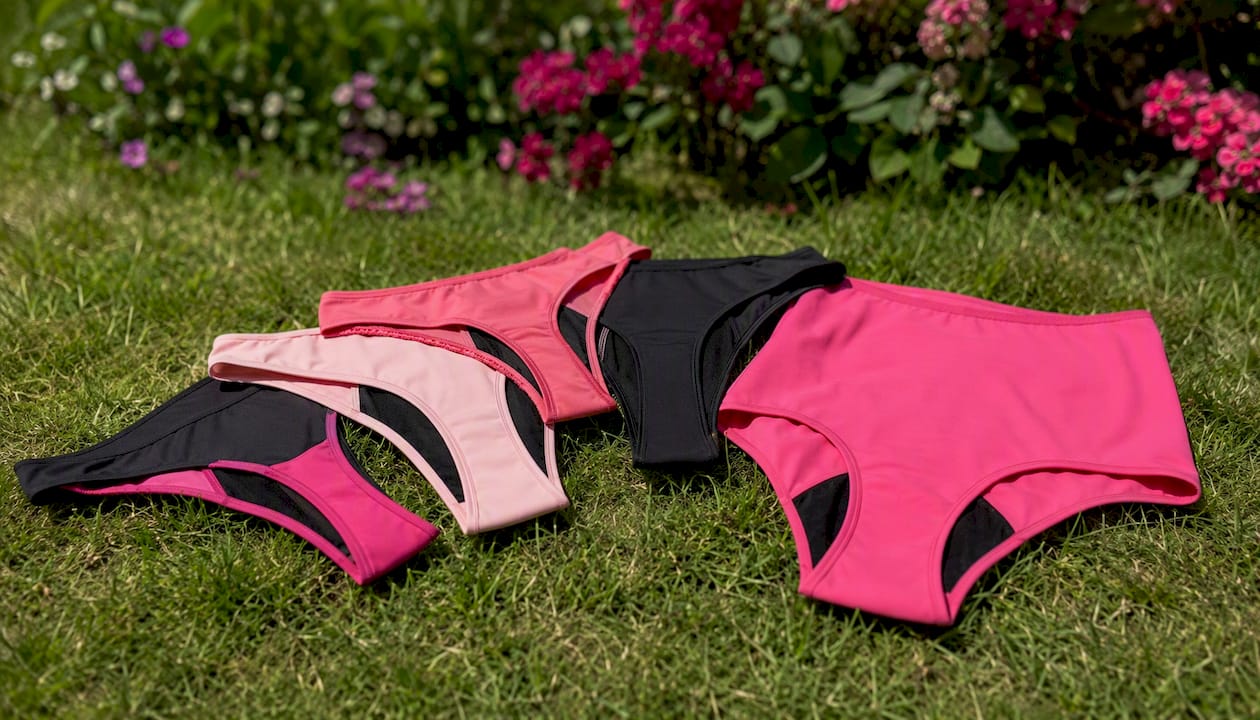
Incontinence pull-ons have improved significantly in discretion. Modern designs sit close to the body, use thin SAP cores, and look more like regular underwear than the bulky products of a decade ago. Tabbed briefs are a different category: they open at the sides for caregiver-assisted changes and are not designed for independent wear.
Fit tips that apply to both product types:
- A snug waist band prevents the product from shifting during movement, which is the most common cause of side leaks
- Leg openings should be firm but not cutting; a gap at the thigh is a leak path
- Size up if you are between sizes, since a too-tight gusset compresses the absorbent core and reduces capacity
- For skin sensitivity, look for fragrance-free products and check for PFAS-free certifications; some period underwear brands have faced scrutiny over fluorinated waterproofing chemicals, so reading the materials list matters
Sweeteebeauty’s period underwear uses irritation-free fabrics designed for sensitive skin, with styles ranging from seamless bikini cuts to high-waist options that provide fuller coverage during heavier flow days.
How do you wash and care for reusable underwear, and what does it cost?
Reusable period and incontinence underwear share similar care basics, with one important difference: incontinence products that use SAP cores need gentler handling to preserve the polymer structure.
Standard care steps for both:
- Rinse in cold water immediately after use to remove fluid before it sets
- Machine wash cold on a gentle cycle, or hand wash
- Air dry flat or hang; never put in a dryer on high heat
- No bleach, fabric softener, or dryer sheets — all three degrade waterproof layers and absorbent cores
Period underwear typically lasts 2–3 years with proper care, or roughly 100–150 wash cycles before absorbency noticeably declines. Reusable incontinence underwear with SAP cores may show core degradation sooner if washed on high heat or with harsh detergents.
For eco-friendly period products and what to look for in clean-ingredient options, guidance on clean period products covers materials and washing considerations worth reviewing.
Cost comparison framework:
Reusable period underwear typically costs $20–$45 per pair upfront. A starter set of 5–7 pairs covers a full cycle without daily laundry. Compare that to disposable pads or tampons, which can run $10–$15 per month, or roughly $120–$180 per year. A set of reusable underwear pays for itself within the first year for most people. Disposable incontinence products cost more per unit and are an ongoing expense with no break-even point.
When does period underwear make more sense?
Period underwear is the right choice for most people managing menstrual flow. It handles spotting through heavy flow depending on the absorbency level you choose, works for postpartum spotting in the weeks after delivery, and serves as reliable daily backup for unpredictable light leaks.
Best-fit scenarios:
- Light to heavy menstrual flow (match absorbency level to your heaviest expected day)
- Postpartum spotting and light lochia in the weeks after birth
- Daily liner replacement for discharge or unpredictable spotting
- Overnight period protection with a high-absorbency style
Pro Tip: On your heaviest period day, start with your highest-absorbency pair and keep a backup pad or tampon for the first few uses until you know how the product performs for your specific flow.
Activity-wise, period underwear works well for most daytime movement, including yoga, walking, and light exercise. For high-impact sports on heavy days, a backup tampon or cup alongside the underwear gives added security.
The honest limit: period underwear is not built for sudden, high-volume urine gushes. If you are experiencing urge incontinence where a significant amount of urine releases quickly, a microfiber-based period product will likely rewet and feel uncomfortable within minutes.
When should you choose incontinence underwear, pull-ons, or tabbed briefs?
The threshold is leak volume, speed, and frequency. If you are losing more than a light stress leak on a regular basis, period underwear is not the right primary product.
Choose incontinence pull-ons when:
- You experience moderate urge leaks (more than a few drops, less than full bladder release)
- You need independence in changing and prefer a pull-on format
- You want a reusable option for light-to-moderate leakage with SAP-core performance
Choose tabbed briefs when:
- Leakage is heavy or unpredictable and requires maximum capacity
- Mobility is limited and a caregiver assists with changes
- Post-surgical recovery requires lying-down changes
Choose disposables when:
- You need maximum single-use capacity for travel or long events
- Laundry access is limited
- You are managing a temporary condition (post-surgery, illness) and reusable products are impractical
For long flights, overnight travel, or high-intensity exercise with significant leakage, disposable incontinence products with high SAP capacity are the most reliable option. Some brands list capacities exceeding 900 ml for their overnight products, which is far beyond what any period underwear can hold.
Medical safety, odor control, and when to see a clinician
Both product types control odor through different mechanisms. Period underwear typically uses antimicrobial fabric treatments or silver-ion technology in the absorbent layer to slow bacterial growth during wear. Incontinence products often add odor-neutralizing chemistry to the SAP core, since urine odor develops faster than menstrual odor.
Fragrance-free is the safer choice for both, especially for anyone with sensitive skin or a history of irritation. Added fragrances mask odor temporarily but can disrupt vaginal pH and cause contact dermatitis.
Cleveland Clinic guidance makes this point directly: incontinence underwear is one management tool, not a substitute for treatment. Clinical literature via NCBI supports a range of management options from behavioral therapies to surgical intervention.
See a clinician if you notice:
- New or worsening urinary leakage, especially if it appeared suddenly
- Blood in urine
- Pain or burning with urination
- Leakage that is affecting sleep, work, or daily activities
- Leakage that has changed in character (from stress to urge, or increasing frequency)
These are not signs to manage with better underwear. They are signs to get evaluated.
A short decision checklist: which product is right for you?
Work through these five steps before you buy.
- Identify your leak type. Is it menstrual blood, or urine? If urine, is it a small stress leak or a larger urge leak?
- Estimate your volume. Light (a few drops to 10 ml), moderate (10–20 ml), or heavy (20 ml or more per episode)?
- Choose your format. Period underwear for menstrual flow and light leaks. Incontinence pull-on for moderate urine leaks. Tabbed brief or disposable for heavy or caregiver-assisted needs.
- Test for fit. Order your usual size first. If you are between sizes, go up. Check that the waist and leg openings are snug without cutting.
- Plan your care routine. Reusable products require cold rinse and air dry. If that is not practical in your daily routine, disposables may be more realistic.
Quick reference:
- Spotting or light period → light-absorbency period underwear
- Heavy period or overnight → heavy-absorbency period underwear
- Stress leak (cough, sneeze) → light period underwear or light incontinence pull-on
- Urge leak (moderate) → incontinence pull-on with SAP core
- Heavy urinary leakage → tabbed brief or high-capacity disposable
Start with one or two pairs before committing to a full set. Test on a day when you can be near a bathroom and have a backup product available.
What the evidence actually tells us about choosing between these products
Most of the content comparing incontinence underwear vs period underwear treats them as interchangeable with a simple absorbency swap. They are not. The engineering difference between microfiber terry and SAP-encapsulated cores is not a minor upgrade. It is a different mechanism for a different fluid. Using period underwear for significant urine leakage is not a matter of finding a high-absorbency style. It is asking the wrong product to do a job it was not built for.
That said, the overlap zone is real and worth acknowledging. For light stress leaks, a high-quality period underwear with a thick microfiber gusset works for many people. The rewet problem only becomes significant under compression or with volume. If your leakage is genuinely light and infrequent, period underwear is a reasonable, lower-cost, more sustainable choice than disposable incontinence products.
Where the conventional wisdom falls short is in treating “heavy period underwear” as the answer to moderate incontinence. Absorbency capacity in milliliters is not the same as rewet resistance. A product can hold 20 ml and still feel wet under pressure if it lacks SAP. That distinction is what the engineering literature makes clear, and it is what most consumer-facing comparisons skip.
Sweeteebeauty period underwear: built for periods and light leaks
If your primary need is menstrual protection, Sweeteebeauty’s leak-proof period underwear gives you a reusable, comfortable alternative to disposable pads and tampons across multiple absorbency levels. The multilayer design uses irritation-free fabrics suited for sensitive skin, and the style range covers seamless bikinis, high-waist briefs, and options for teens.
For heavy flow days, the heavy flow collection is the place to start. For teens navigating their first period protection options, the teen brief and cheeky styles offer a familiar fit with full gusset coverage.
One honest note: Sweeteebeauty period underwear is designed for menstrual use and light leaks. If you are managing moderate-to-heavy urinary incontinence, an incontinence-specific product with an SAP core is the more appropriate choice, and a clinician visit should come first. For everyone else managing their cycle, start with one or two pairs in your usual size, test on a moderate flow day, and add absorbency levels from there.
Sources
- Underwear for incontinence — Cleveland Clinic
- Best incontinence underwear and adult diapers — Consumer Reports
- The Ultimate B2B Guide to Manufacturing Women’s Leak-Proof Underwear: Periods vs. Incontinence — Ljvogues
- Ncbi


